
Welcome to our blog
Home »Our objective is to provide the best possible physiotherapeutic care. We have been doing this since 1967. The patient and his complaint are central and unique.
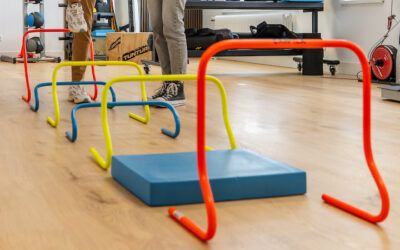
Fall prevention in the elderly: how physiotherapy helps prevent falls
A fall can have major consequences, especially in later life. Not only physically, but also mentally. Many people become more cautious or even afraid to move after a fall. This can actually cause strength and balance to decline further.
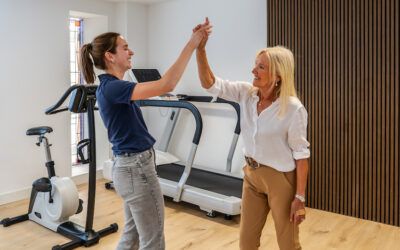
Frail aging: how physiotherapy helps to stay independent
Getting older is often accompanied by changes in the body. What used to come naturally now takes more effort. This can affect your independence and daily functioning.

When to see a jaw physiotherapist? These are the signs.
Many people walk around with jaw complaints for a long time without knowing that physiotherapy can help. Complaints are often attributed to stress, poor posture, or simply “fitting in”.

Jaw complaints: where do they come from and what can you do about them?
Pain when chewing, a tired jaw, a clicking sound when opening the mouth, or tension around your face. Jaw problems are more common than many people think and can have a major impact on daily life.
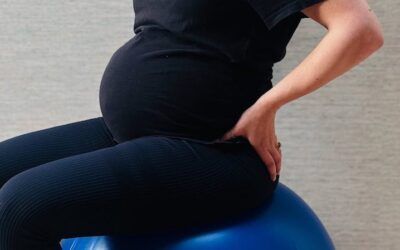
Pelvic pain during pregnancy: what is it and what can you do?
Pelvic pain during your pregnancy can significantly affect your daily life. Walking, turning in bed, or standing can feel painful or unsteady. You are not alone: many women experience this during or after pregnancy.
Physiotherapy for Parkinson's: what exactly does a ParkinsonNet therapist do?
Parkinson's affects movement in daily life. Symptoms such as stiffness, slower movement, balance problems, or difficulty walking can cause daily activities to require more energy. This is precisely why specialized guidance is important.

Exercising after anterior cruciate ligament reconstruction: when are you ready?
After anterior cruciate ligament reconstruction, you'll want to know what to expect. When can you safely return to sports, what are the next steps, and what should you pay attention to to prevent recurrence?
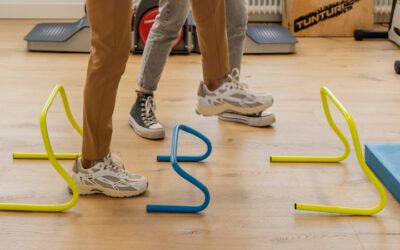
Freezing in Parkinson's: what is it and how do you deal with it in daily life?
Freezing is a common phenomenon in Parkinson's where movement seems to temporarily block. Many people describe it as if their feet are suddenly “stuck” to the ground. You want to move, but at that moment, you just can't.

Home-based geriatric physiotherapy: for whom is this beneficial?
Not everyone can come to the practice for physiotherapy. Sometimes moving around outside the home is difficult due to complaints, reduced mobility, or recovery after illness.